.case study
02
•
Multi-surface Design
Keeping the Night Alive
Designing a connected operational platform that synchronizes customers, bartenders, and venue staff in real time.
00

Project at Glance
Greenfield hospitality platform designed for three connected user groups: customers, bartenders, and venue managers
Covered the complete ordering journey from menu discovery to drink fulfilment
Built for high-volume nightlife environments where speed and coordination directly affect customer experience
Delivered from early concept through high-fidelity design and developer handoff
why this project matters
Paty wasn't a single consumer app - every drink order moved through managers, bartenders, and customers, each with distinct responsibilities and shared dependencies. The design challenge wasn't three separate applications; it was one operational workflow that stayed consistent as information moved between them.
Problem & Context
Understanding the Nightlife Business
Business Context
Nightlife venues are built around social experience - and one activity keeps interrupting it: ordering drinks. Customers queue away from their groups, bartenders take orders verbally at peak hours, and managers run menus, inventory, and payments through disconnected processes. Paty was created to connect those fragmented workflows into one operational platform.
The Challenge
As a non-drinker unfamiliar with US nightlife, I couldn't lean on assumptions. Before designing anything, I ran multiple discovery sessions with stakeholders - how bartenders fulfil orders, how customers behave at the bar, how managers configure menus and schedules. Every design decision was built on how the business actually operates.

Research & Systems
Mapping the Operational Ecosystem
The platform turned out to be one shared workflow, not three apps. Managers configure menus, hours, and permissions; customers discover venues, order, and pay; bartenders prepare orders and update status in real time. Because every interaction depends on shared information, a menu change or completed order must stay consistent across every interface - or the whole experience breaks.

.platform
Consumer Platform • Hospitality Technology
.timeframe
2-3 months
.role
Senior Product Designer
.primary users
Nightclub customers, bartenders, and venue managers collaborating through a shared ordering system.
.responsibilities
Product Discovery
User Flow Design
Information Architecture
Interaction Design
Design System
Cross-Surface Experience Design
Developer Collaboration
.team
Client Stakeholders
Project Manager
Business Analyst
Engineering Team
Design Solutions
Design Decision 01
Making Complex Operations Manageable
Why this matterd
Venue operations are dense: categories, bottle service, drink customization, multiple locations, hours, employee roles. The challenge wasn't defining those rules - it was making them feel manageable to configure.
Exploration
I mapped how managers interact with operational data as a daily routine - what needs grouping, what's frequent, how dense configurations decompose into smaller tasks.
The Decision
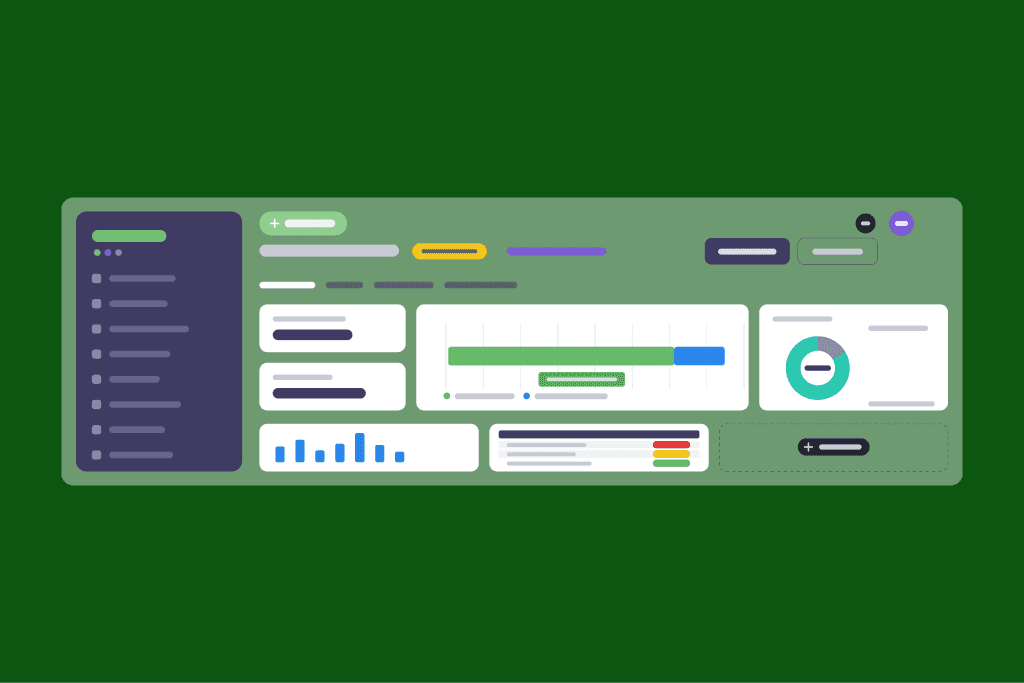
Clear information hierarchies and progressive workflows let managers configure complex settings without understanding the system underneath: related information grouped, administrative tasks separated by purpose, cognitive load reduced without losing operational flexibility.

Design Decision 02
Role-Specific Experiences Within a Shared Workflow
Why this matterd
One ordering system, three very different roles. Customers want to order quickly and know when drinks are ready; bartenders need a focused queue for busy service; managers need administrative tools for menus, hours, employees, and venue information.
Exploration
I traced an order end to end - configuration, placement, preparation, fulfilment - which exposed each role's responsibilities, decisions, and information needs at every stage.
The Decision
Each interface serves its primary responsibilities instead of exposing the whole workflow:
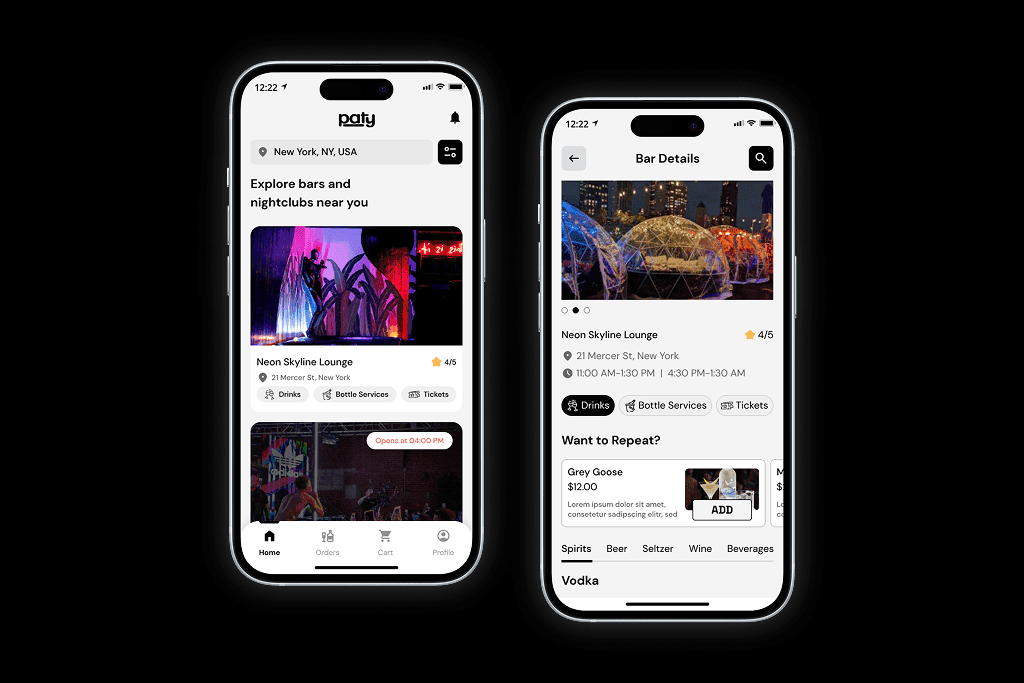
Customers: discovery, ordering, payment, and order tracking
Bartenders: a real-time queue with clear actions to start, complete, or cancel orders
Managers: venue configuration - menus, employees, locations, operating hours
Same underlying workflow, tailored surfaces - operational efficiency without sacrificing usability.


Outcomes & Reflection
One Platform in Action
By the end, the platform reflected how the three roles actually interact on a night: customers order before arriving or from inside the venue, bartenders work a structured queue with real-time updates, and managers run operations from one place. The goal wasn't digitizing drink orders - it was removing friction so customers spend more time enjoying the venue.
Looking Back
This project taught me to understand the business before designing the interface. I started with no knowledge of US nightlife operations, and invested that time in how the roles actually interact instead of jumping to screens. Today I begin every complex product the same way: how does the business operate, and where can design reduce friction without disrupting it?
.see also